
Designed For Everyday Use
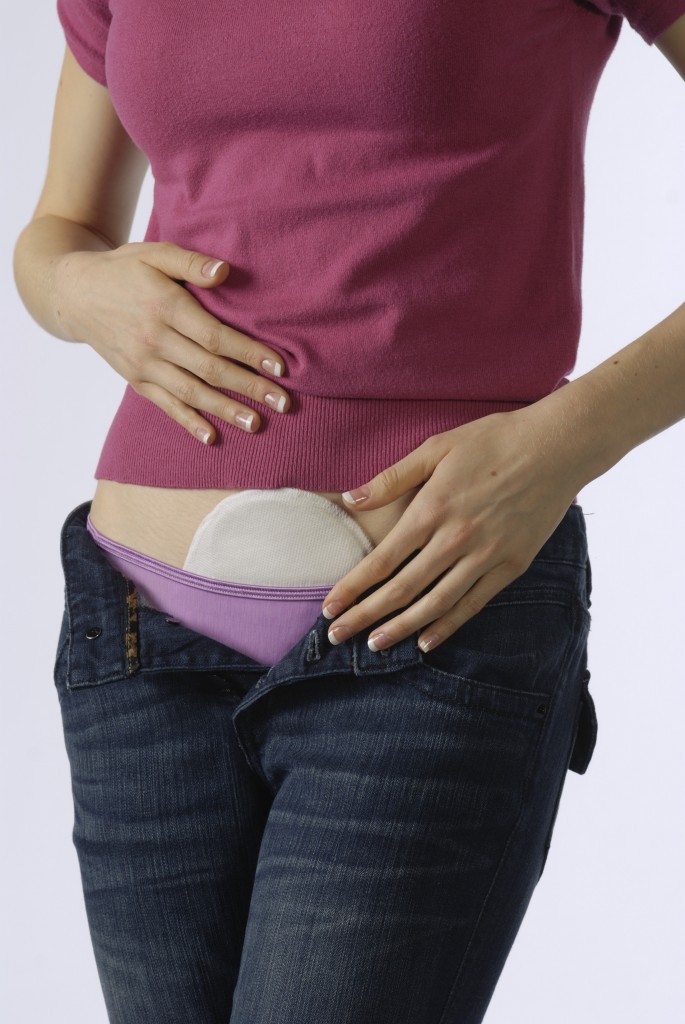
- Worn discreetly beneath clothing
- Non-drug bioelectric therapy
- Wearable recovery workflow
- Long duration use model
Pipeline and international product development initiative exploring how wearable bioelectric therapies and computational electrophysiology may relate to pain, inflammation, pelvic health, recovery, and women's health signaling environments.
Electrome's broader women's health roadmap includes evaluation of internationally commercialized wearable pulsed shortwave therapy systems for menstrual pain and inflammation-related applications, alongside longer horizon exploratory research initiatives. No FDA-cleared Electrome women's health product currently exists in the United States specifically indicated for gynecologic or menstrual conditions.
Women's health conditions involving pain and inflammation remain significantly underserved across modern healthcare. Conditions such as:
"Women's health has historically lacked sufficient investment in both therapeutic infrastructure and systems level biological research. We believe bioelectric medicine may eventually contribute important new approaches to pain, inflammation, and recovery support."
These conditions affect millions of women globally and are frequently associated with delayed diagnosis, chronic pain burden, reduced quality of life, repeated medication exposure, fragmented care pathways, and limited non-invasive therapeutic options.
Researchers and clinicians have increasingly emphasized the need for non-pharmacologic approaches, wearable recovery systems, decentralized care models, personalized treatment pathways, and a better understanding of inflammatory signaling.
Electrome believes women's health represents one of the most important long term opportunities in bioelectric medicine.
Inflammation and pain signaling are fundamentally electrochemical processes. Cellular communication, smooth muscle activity, autonomic signaling, vascular regulation, and tissue recovery all depend on membrane potentials, ion channel dynamics, electrophysiology, and inflammatory signaling pathways.
Bioelectric medicine explores whether controlled signaling environments may eventually support therapeutic workflows in ways that are wearable, non-invasive, low burden, compatible with everyday life, and integrated into decentralized care systems.
Electrome's broader platform strategy combines wearable therapeutics, signal response modeling, AI assisted electrophysiology, Electrome Knowledge Graphs, computational systems biology, and future digital therapeutic infrastructure.
The company believes many women's health conditions involve complex interactions between nervous system signaling, inflammation, tissue electrophysiology, hormonal regulation, autonomic balance, and immune response systems.
Menstrual pain remains one of the most common pain related conditions globally. Published literature has explored multiple non-pharmacologic approaches to dysmenorrhea, including heat therapy, neuromodulation, TENS, wearable stimulation systems, electromagnetic modalities, and rehabilitation oriented care pathways.
Researchers have increasingly explored whether wearable bioelectric systems may help support broader menstrual recovery and pain management workflows.
Electrome is interested in this area because wearable bioelectric therapy aligns naturally with ambulatory use, low burden recovery, prolonged wear models, non-drug pain management, and decentralized therapeutic delivery.
However, no FDA-cleared Electrome menstrual pain indication currently exists in the United States. No efficacy claims are made regarding dysmenorrhea treatment.
Electrome's broader women's health roadmap also includes evaluation of wearable bioelectric technologies already commercialized internationally for menstrual pain and inflammation-related applications.
One example is the Allay Menstrual Pain Therapy system, a wearable pulsed shortwave therapy product previously commercialized in international markets including Canada and parts of Europe for menstrual pain related use. The system is designed around wearable pulsed shortwave therapy, non-drug pain management, prolonged use workflows, and low burden recovery support.
Electrome intends to evaluate potential future U.S. regulatory pathways for similar women's health focused bioelectric systems, including possible FDA submission strategies targeted for future review cycles beginning in or after 2027.
These activities remain forward-looking, investigational, subject to FDA review, and dependent on additional regulatory, clinical, and operational work. No FDA-cleared menstrual pain product currently exists within Electrome's U.S. commercial ecosystem specifically indicated for dysmenorrhea or gynecologic conditions.
"Women's health represents one of the most important and underserved areas in medicine. We believe wearable bioelectric therapeutics may eventually provide women with additional non-drug options that integrate naturally into daily life and recovery workflows."
Allay Menstrual Pain Therapy is referenced here as an example of a wearable pulsed shortwave therapy product previously commercialized in international markets. It is not currently marketed or cleared in the United States.

Endometriosis and chronic pelvic pain involve extraordinarily complex inflammatory and neurological environments. Researchers have increasingly explored relationships between neuroinflammation, peripheral sensitization, autonomic dysfunction, immune signaling, chronic inflammatory cascades, tissue remodeling, and pain amplification pathways.
Electrome's exploratory research efforts evaluate whether future computational electrophysiology systems may help researchers better model these signaling environments over time.
The company has also explored future intellectual property and research concepts involving wearable pelvic bioelectric systems, signal based inflammation support, non-invasive pelvic therapeutic architectures, and computational pain signaling models. These initiatives remain exploratory, investigational, and preclinical. No therapeutic claims are made.
Pelvic floor dysfunction and postpartum recovery represent additional areas of interest within the broader Women's Health initiative. Researchers have increasingly emphasized rehabilitation oriented care, neuromuscular recovery, wearable support systems, decentralized postpartum recovery, and non-invasive therapeutic approaches.
Electrome believes future bioelectric systems may eventually contribute to scalable recovery infrastructure within these areas. The company's long term platform vision combines wearable therapeutics, provider guided workflows, AI assisted modeling, outcomes tracking, computational electrophysiology, and decentralized patient engagement systems.
Published literature involving bioelectric signaling and women's health spans dysmenorrhea, pelvic pain, neuromodulation, inflammation signaling, electrophysiology, rehabilitation systems, tissue signaling, and autonomic regulation.
Researchers continue exploring how nerve signaling, inflammatory pathways, ion channel behavior, membrane potentials, and tissue electrophysiology may relate to chronic pelvic and inflammatory conditions. However, findings across these areas remain heterogeneous, indication specific, early stage, and frequently preliminary.
Electrome therefore positions this initiative conservatively and within a scientific and regulatory framework only.
Women's health remains one of the largest unmet opportunities in modern healthcare. Many inflammatory and chronic pelvic conditions are underdiagnosed, undertreated, chronic, difficult to manage long term, and associated with substantial healthcare burden.
Electrome believes future computational bioelectric systems may eventually help researchers better understand inflammatory signaling, tissue electrophysiology, autonomic interactions, recovery pathways, and pain signaling environments.
The company's long term interest is not simply devices, but infrastructure. Electrome Knowledge Graphs, AI assisted electrophysiology, signal response mapping, wearable therapeutic ecosystems, and computational systems biology.
"Biology is fundamentally electrical at the cellular level. Women's health represents an important opportunity to better understand how signaling environments influence inflammation, pain, and recovery."
The Women's Health initiative remains exploratory, pipeline stage, investigational, and partially international development focused.
Electrome does not currently market or commercialize in the United States any endometriosis therapies, pelvic pain devices, gynecologic therapeutic systems, or FDA-cleared menstrual pain devices.
No efficacy or therapeutic claims are made regarding dysmenorrhea, endometriosis, infertility, pelvic disorders, vulvodynia, postpartum recovery, or pelvic floor dysfunction.
Any future women's health applications would require additional scientific research, clinical validation, regulatory review, controlled studies, and FDA clearance or authorization where applicable.
Electrome's current commercial activities remain focused on FDA-cleared pain and recovery infrastructure.
This page is provided for scientific and informational purposes only. The Women's Health initiative is an exploratory research and international product development program. Electrome does not currently market any FDA-cleared women's health therapeutic product in the United States and makes no claims regarding the treatment, cure, mitigation, or prevention of gynecologic or pelvic disorders. Statements regarding future regulatory pathways, potential FDA submissions, and future applications are forward-looking and subject to substantial scientific, clinical, operational, and regulatory uncertainty.