

Scienceresearcherinvestor
Electrical Research in Oncology
A glioblastoma field trial and the limits of tumor electrical profiling.
December 19, 20252 min
Bioelectric Frontiers is our volume series on the electrical language of biology — the mechanisms, evidence, and frontiers of bioelectric medicine, from foundational theory to clinical applications across pain, inflammation, infection, oncology, and recovery.
A glioblastoma field trial and the limits of tumor electrical profiling.
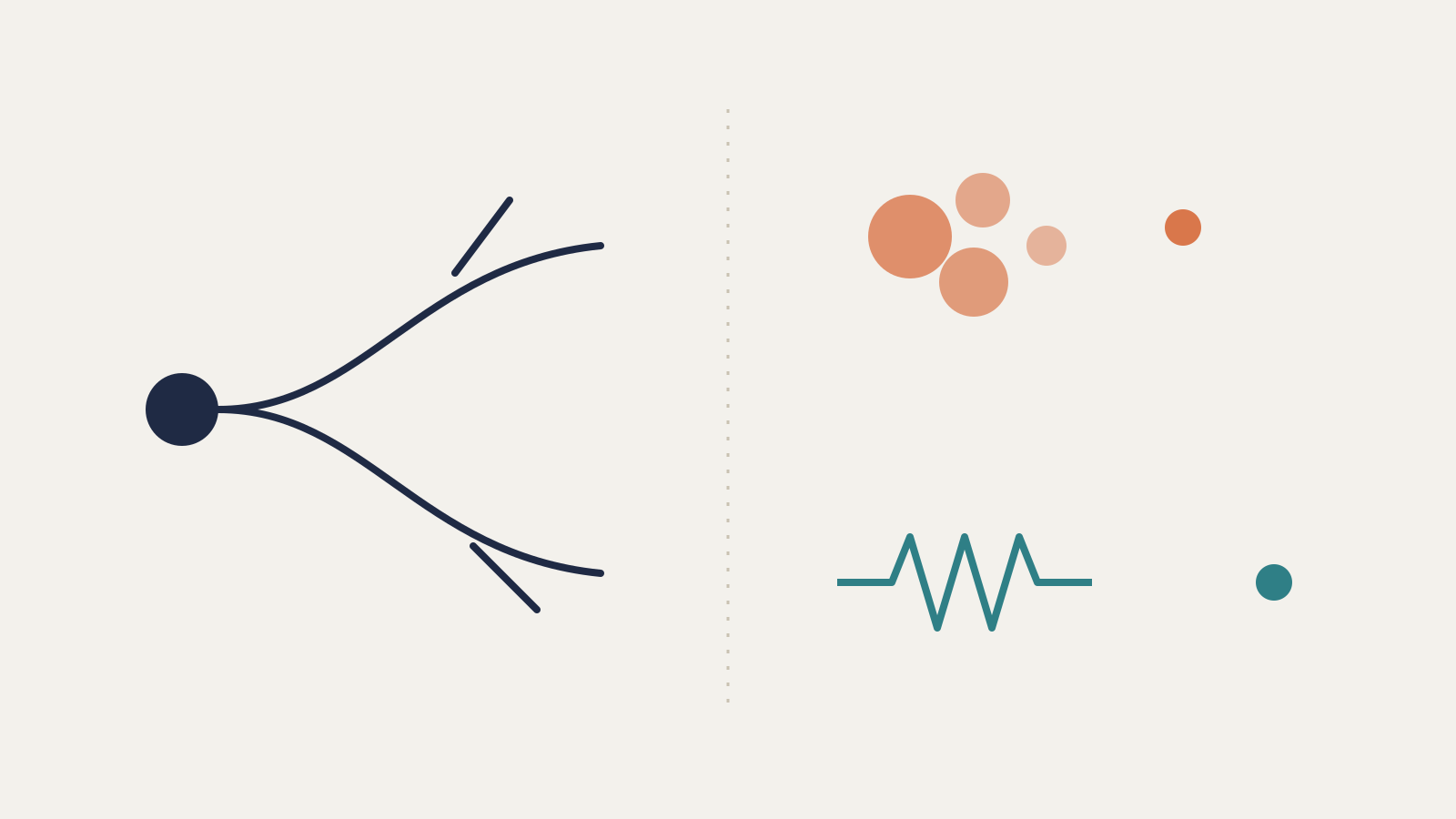
Distinct neural and pain-device studies require distinct interpretations.
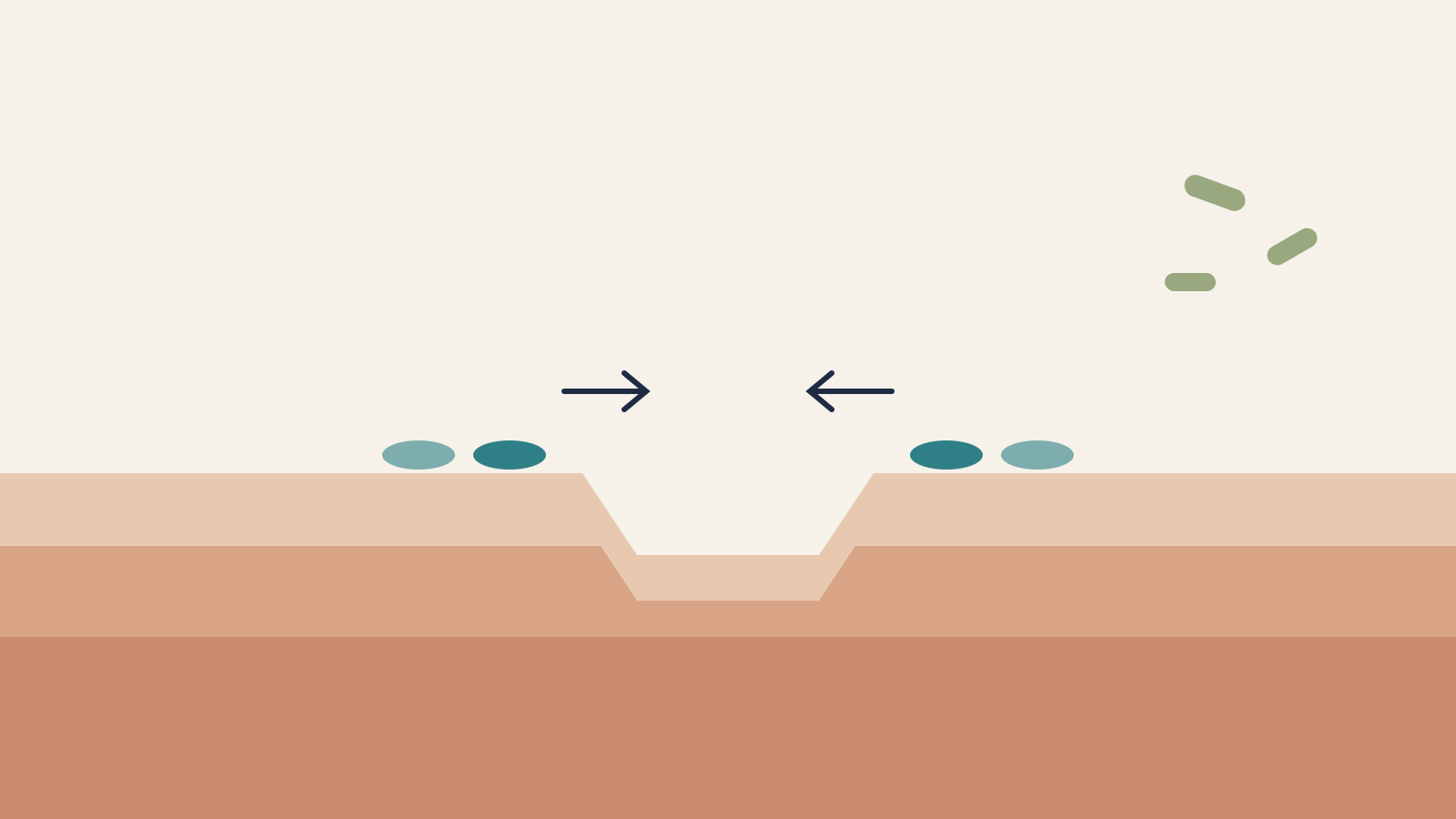
Experimental cell migration is not evidence of infection treatment.
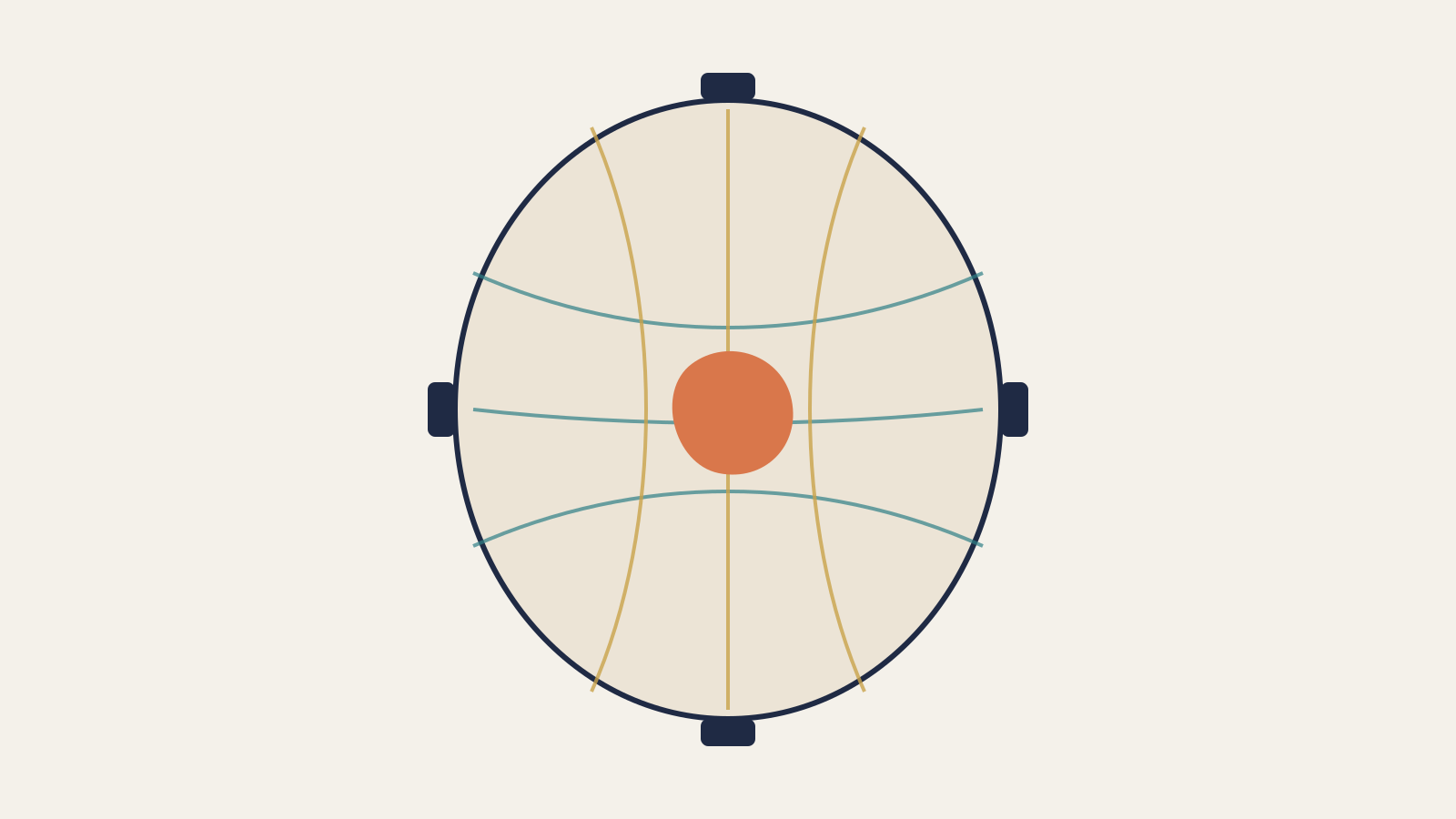
TTFields evidence is specific to a cancer, regimen and comparator.
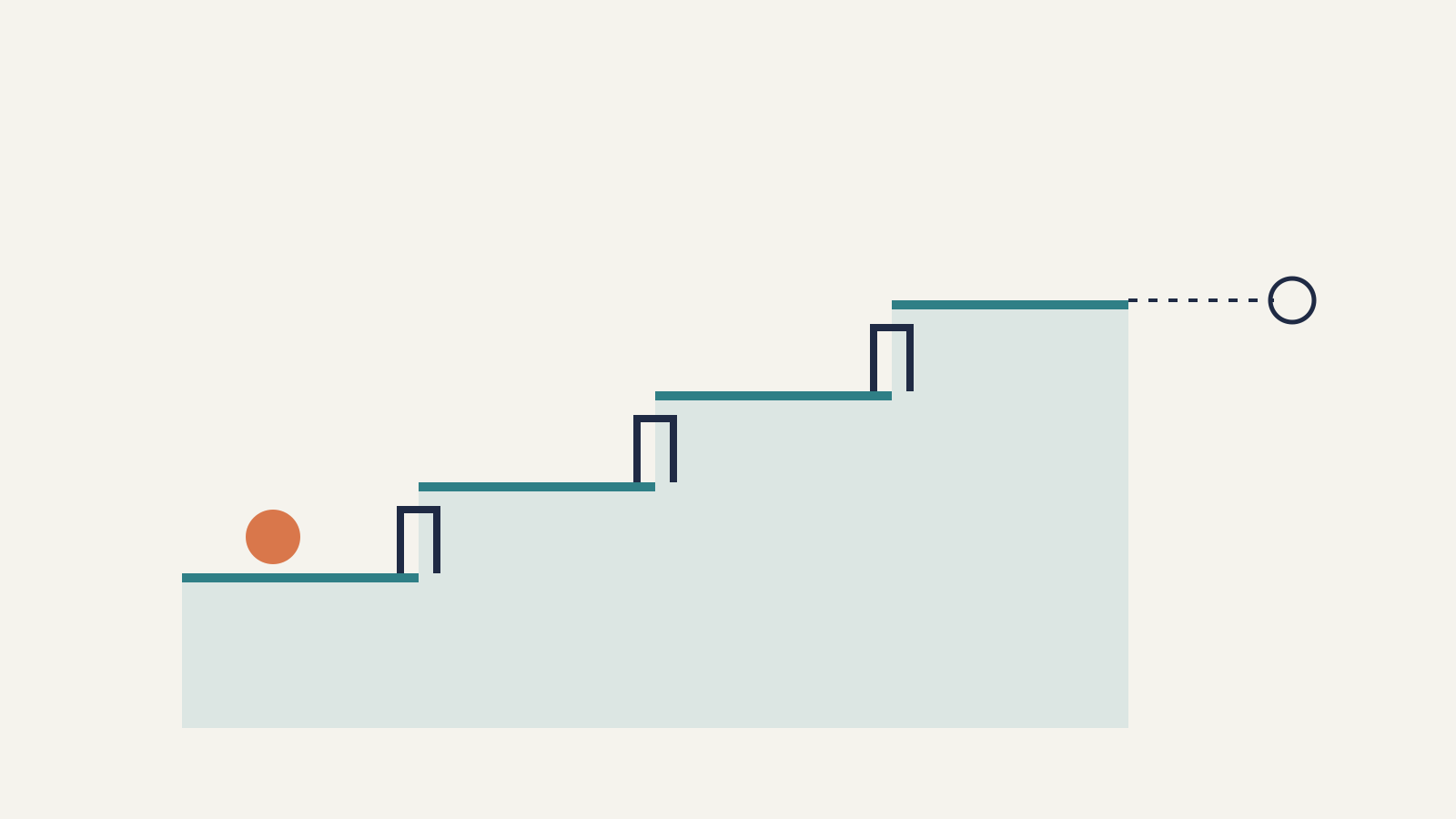
An electroceuticals proposal does not establish platform economics.
A limited review of rTMS and tDCS does not establish PEMF recovery.
Device, diagnosis and outcome determine what a study can show.
Experimental migration and cultured-cell findings are not dressing outcomes.
Evidence in glioblastoma does not validate a universal electrical oncology pathway.

Small rTMS and tDCS studies address chronic TBI symptoms, not every brain condition.
A wound host-microbe review raises questions; it does not prove infection control.
Pulsed radiofrequency effects in cultured cells are not patient outcomes.
Species, exposure and endpoint limit what a preclinical study can establish.
Model-organism reviews inform research, not a personalized human therapy.
No directly relevant mouthguard clinical study was supplied.
A short BEMER-plus-exercise study does not evaluate a new wearable.
No directly relevant clinical concussion-headband evidence was supplied.
Injured cell-line findings cannot establish patient relief of brain fog.
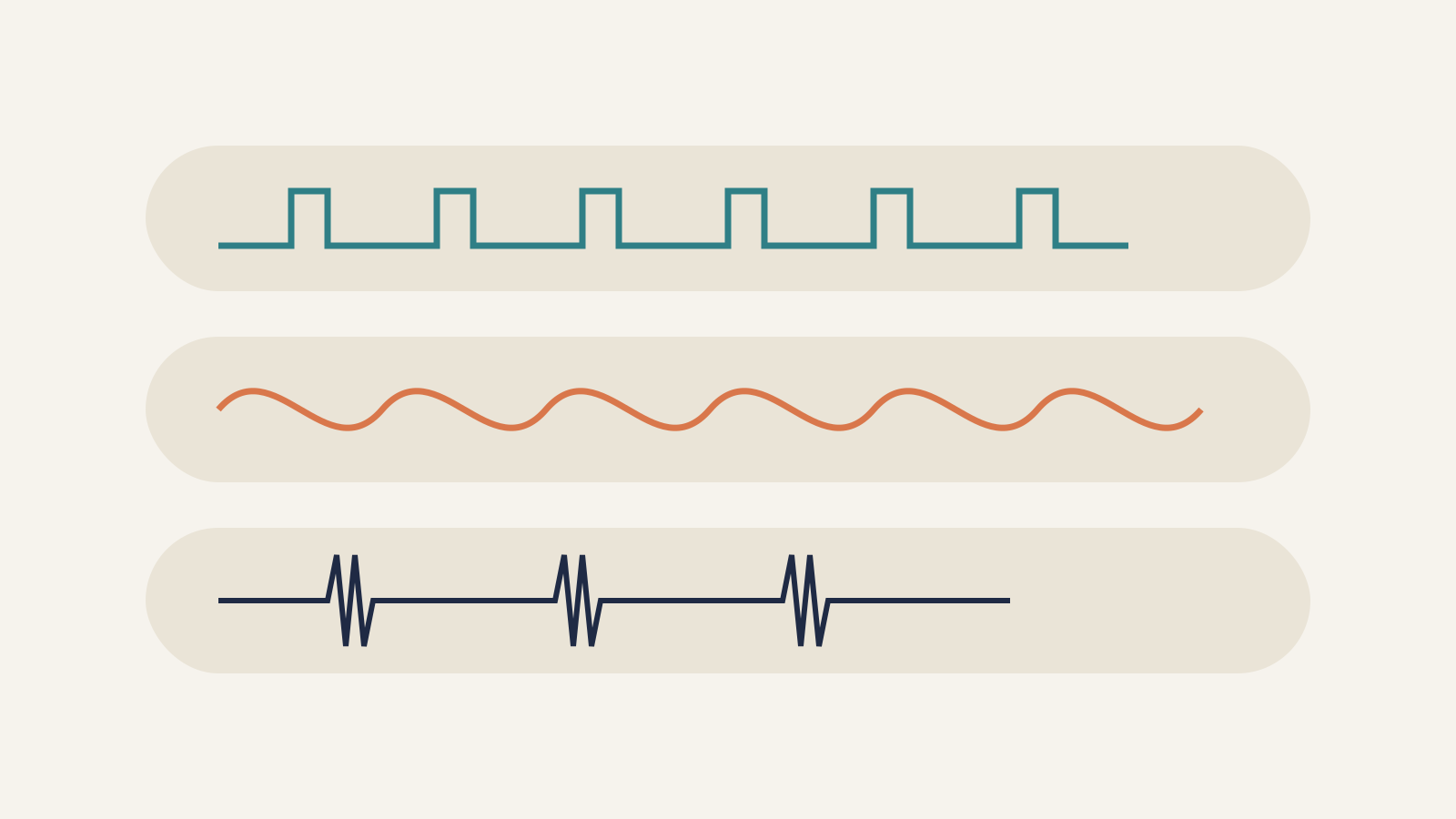
TENS, VNS and PEMF differ in delivery and cannot share one efficacy claim.
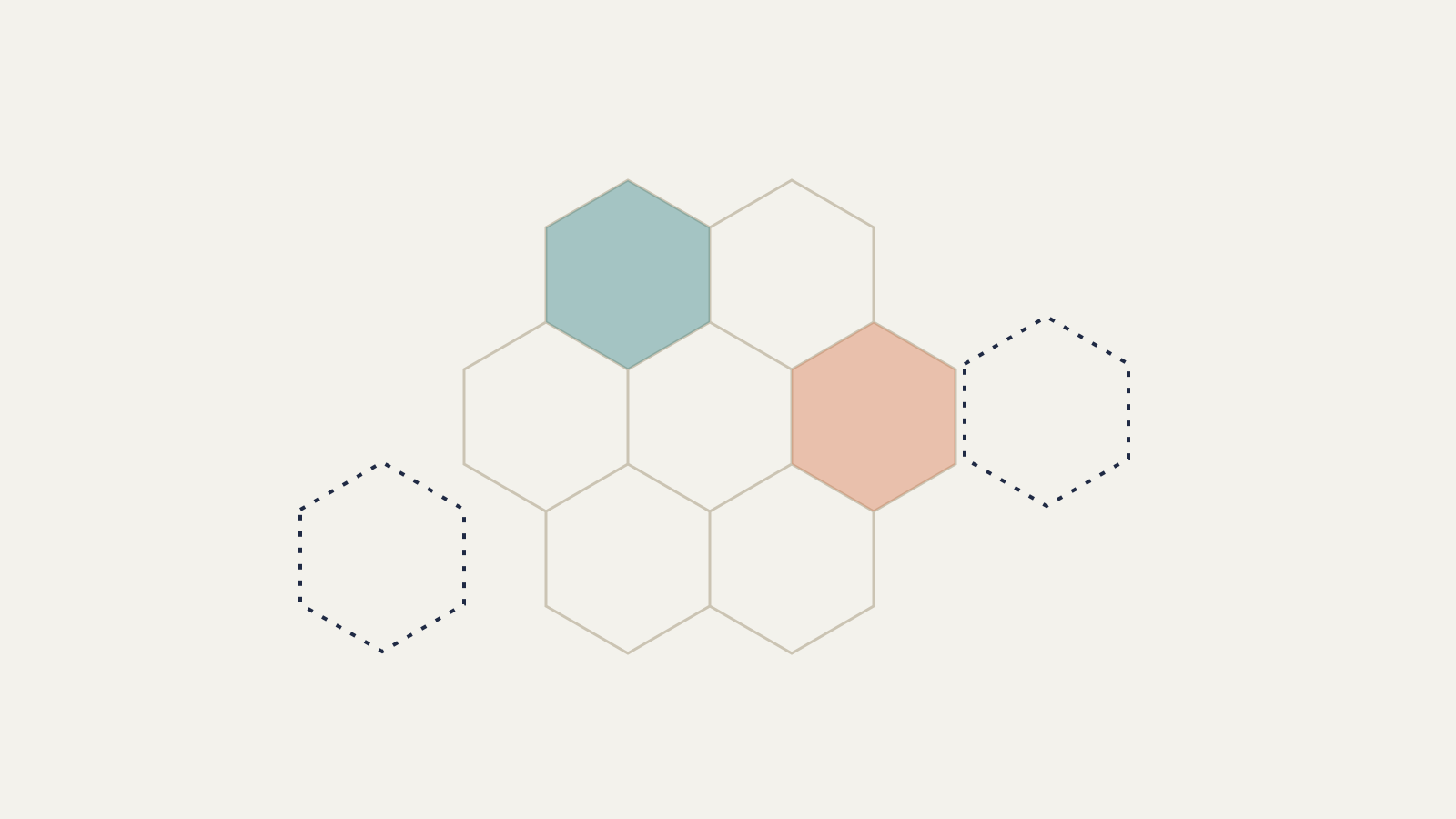
Developmental and wound findings do not establish a whole-body clinical map.
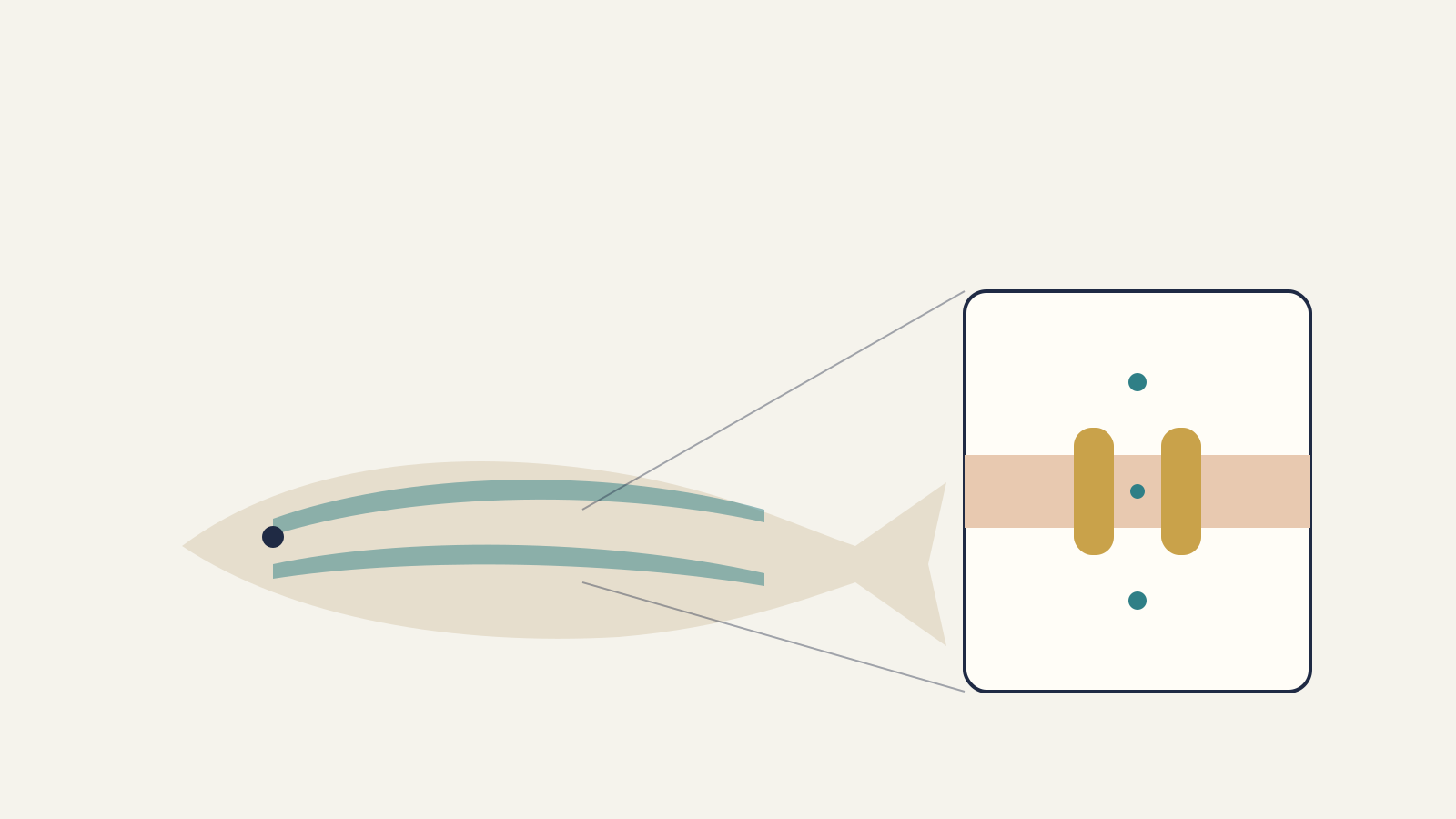
A model-organism review cannot substantiate human precision treatment.
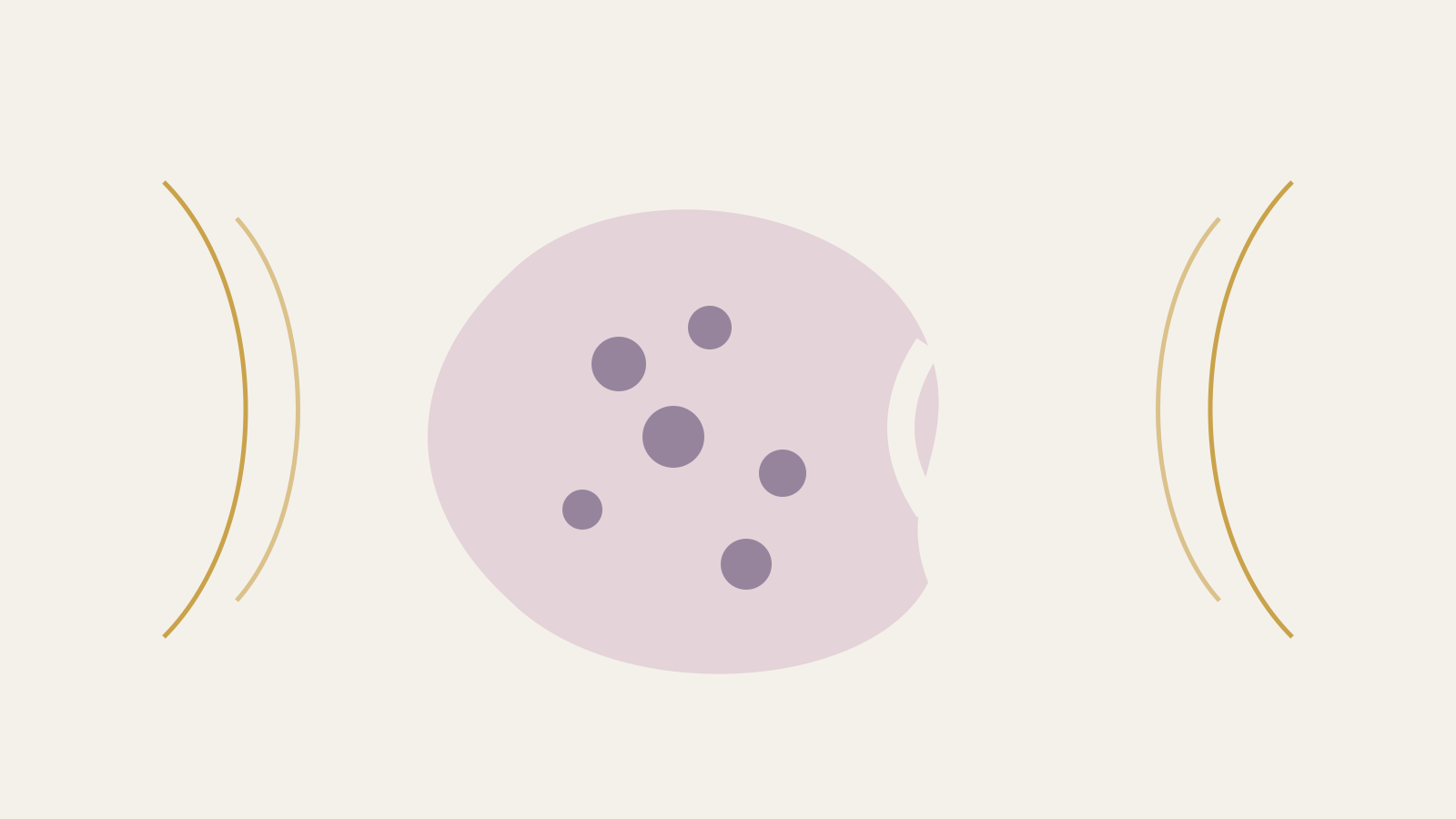
A mouse experiment cannot establish safe human immune therapy.
A research-oriented look at how investigators frame pulsed electromagnetic field exposure, choose model systems, and measure biological signaling in bone and connective tissues.
A practical guide to the outcomes, controls, and methodological choices that shape how pulsed electromagnetic field studies are interpreted.
Why frequency, intensity, waveform, and exposure duration are central study variables in bioelectromagnetic research design.